
Ferrite (ceramic) magnets remain one of the most widely used permanent magnets in global manufacturing. Known for their high electrical resistivity, outstanding corrosion resistance, thermal stability (operating at temperatures up to 250°C), and exceptional cost-effectiveness, they provide a reliable magnetic solution across demanding engineering and industrial environments.
Below is an objective overview of how different shapes and types of ferrite magnets are utilized across modern industries.
What Is a Ferrite Magnet?
Ferrite magnets are sintered permanent magnets composed primarily of iron oxide (Fe₂O₃) combined with strontium carbonate or barium carbonate. Unlike rare-earth magnets (such as Neodymium), ferrite magnets do not require protective surface plating to resist oxidation and moisture. This inherent resistance makes them ideal for outdoor, submerged, or high-temperature operating conditions.
Key Applications by Magnet Shape
1. Ferrite Segment (Arc) Magnets
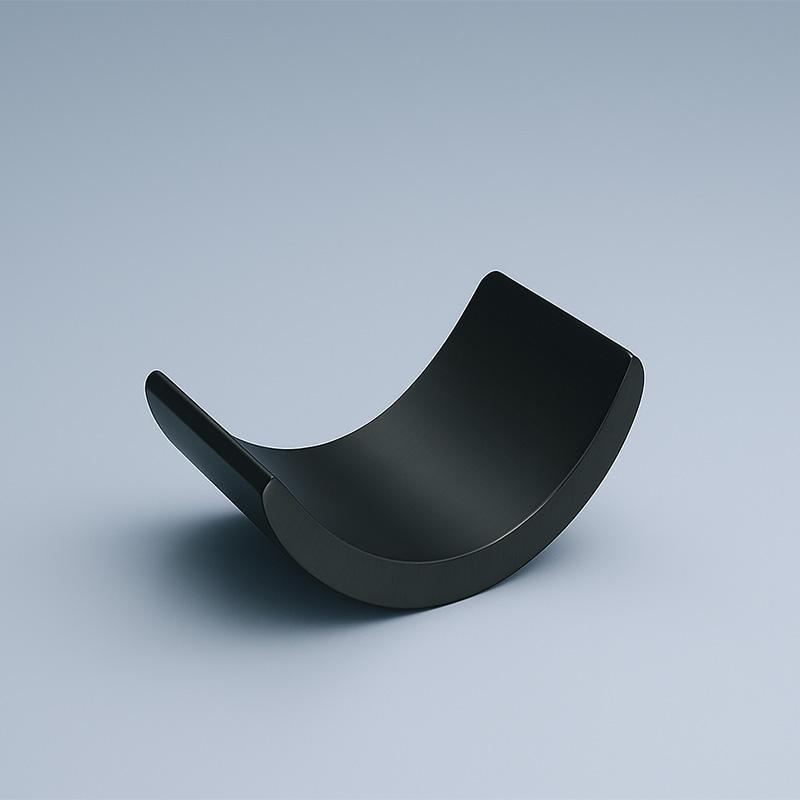
Curved arc segments are engineered specifically to fit cylindrical housings, stators, and rotors.
Key Features: Optimized radial orientation, uniform flux distribution inside motor housings, and high resistance to demagnetization under electrical load.
Applications:
l Automotive Motors: Starter motors, windshield wiper motors, power window lifters, electric seat actuators, and cooling fan drives.
l Power Tools: Corded and cordless drills, angle grinders, and circular saws.
l Fitness Equipment: Magnetic resistance systems in exercise bikes and elliptical trainers.
2. Ferrite Ring Magnets
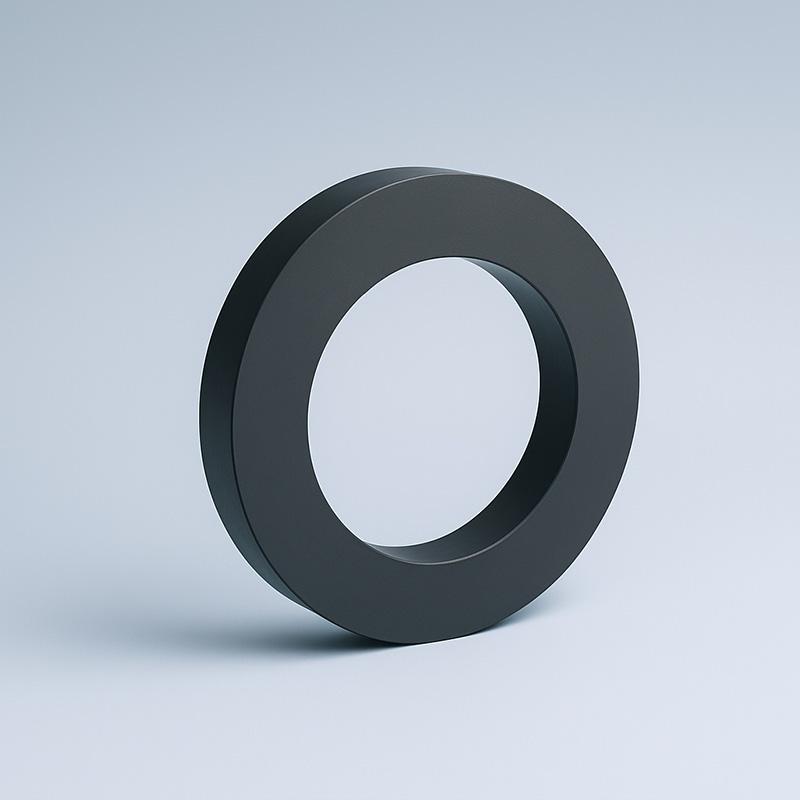
Ring-shaped magnets provide concentric magnetic fields suited for acoustic transmission and tubular assemblies.
Key Features: Balanced circular pole distribution, high thermal endurance, and stable long-term performance.
Applications:
l Audio & Acoustics: Driving loudspeakers, subwoofers, public address (PA) horns, and guitar pickups.
l Industrial Devices: Microwave oven magnetrons, eddy-current brakes, and sensor encoders.
l Laboratory & Medical: Centrifuges and magnetic resonance imaging (MRI) auxiliary hardware.
3. Ferrite Disk Magnets
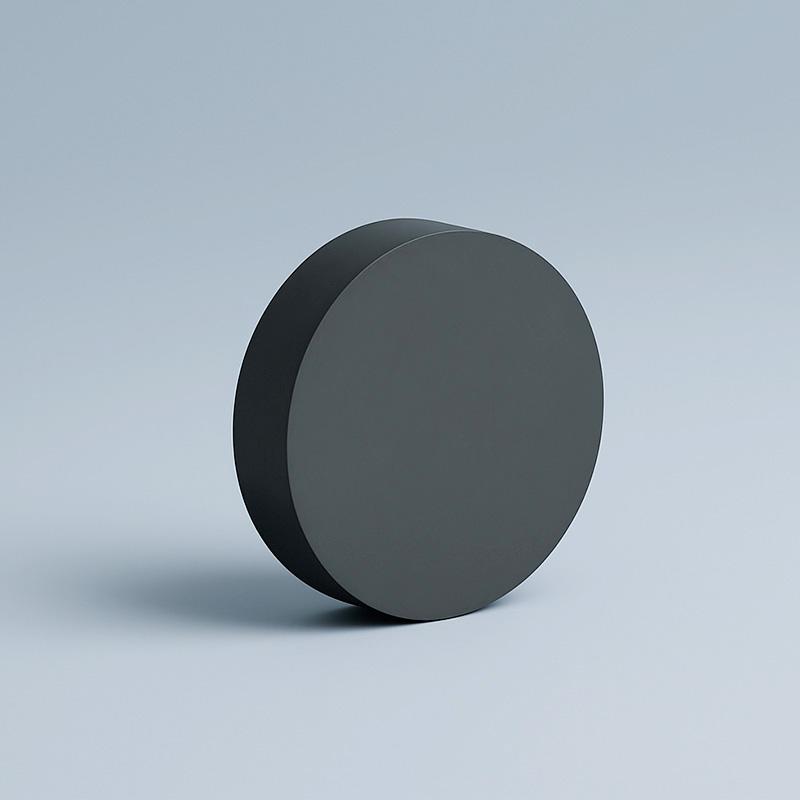
Flat circular discs deliver a concentrated perpendicular magnetic field on their flat faces.
Key Features: Low profile, straightforward press-fit installation, and highly economical for mass production.
Applications:
l Sensors & Reed Switches: Security door alarms, liquid level indicators, and tachometers.
l Consumer Products: Cabinet catches, therapeutic devices, and educational demonstration kits.
l Magnetic Couplings: Contact-free torque transmission through sealed walls in pump assemblies.
4. Ferrite Block (Rectangular) Magnets
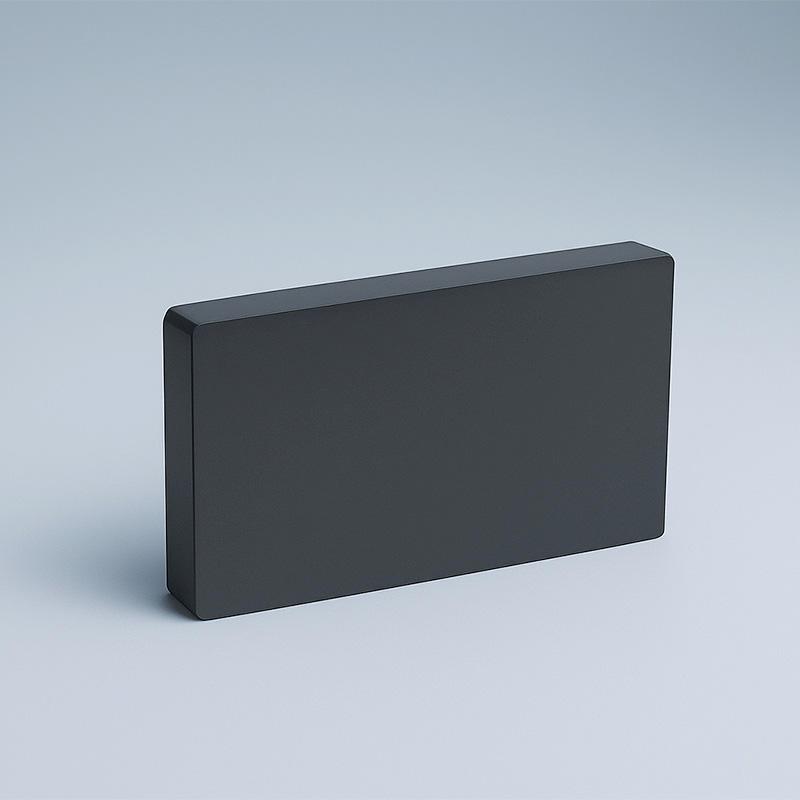
Blocks provide broad, flat surface contact and deep magnetic field penetration.
Key Features: High volume-to-cost ratio, strong pull force over flat metal surfaces, and robust mechanical structures.
Applications:
l Magnetic Separation: Overband cross-belt separators, suspension magnets, and chute magnets used in mining, aggregate processing, and recycling.
l Heavy Fabrication: Industrial holding clamps, door latches, and welding ground fixtures.
l DC Motors & Generators: Flat stator poles in large industrial motors and low-speed wind turbines.
5. Ferrite Magnetic Assemblies
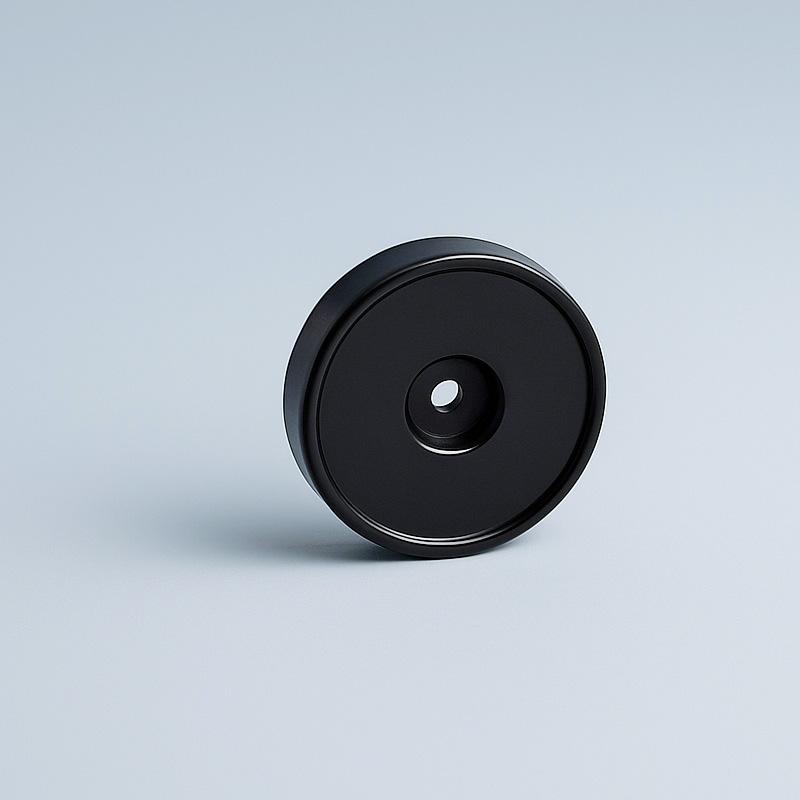
These are permanent ferrite magnets integrated with steel casings, poles, or channels (such as pot magnets, magnetic bars, and grates) to focus and multiply the holding force.
Key Features: Up to 5x higher holding force than bare magnets, protection against chipping, and threaded holes or studs for direct mechanical bolting.
Applications:
l Process Filtration: Magnetic drawer filters and hopper grates extracting tramp iron from plastics, grains, and dry bulk chemicals.
l Material Handling: Factory ceiling hanging hooks, mounting bases, and fixture clamps for production tooling.
Primary Industries Powered by Ferrite Magnets
Industry | Common Shapes Used | Typical End Products |
Automotive | Segments, Rings | Starter motors, wipers, ABS sensors, HVAC blowers |
Acoustics & Audio | Rings, Disks | Professional woofers, home theater speakers, studio monitors |
Recycling & Bulk Handling | Blocks, Assemblies | Cross-belt magnetic separators, grate magnets, drum pulleys |
Home Appliances | Disks, Rings, Segments | Washing machine drain pumps, refrigerators, microwave magnetrons |
Industrial Automation | Assemblies, Disks | Proximity switches, conveyor holding fixtures, magnetic couplings |
Factors to Consider When Selecting a Ferrite Magnet
Selecting the right ferrite magnet requires balancing magnetic strength with environmental and mechanical constraints:
l Magnetic Grade (e.g., Y30, Y30BH, C5, C8): Higher grades deliver greater remnant flux density and coercive force. Choosing the correct grade ensures the magnet provides the required field strength without taking up unnecessary space in the assembly.
l Operating Environment: Standard ferrites operate reliably in extreme heat (up to 250°C). However, they can suffer from irreversible demagnetization at cryogenic temperatures below -40°C. It is critical to verify the full temperature range of the intended application.
l Tolerances & Machining: Ferrite is a brittle ceramic material. It cannot be machined using standard metalworking tools. Any size adjustments must be made via diamond grinding. Engineers should design around standard manufacturing tolerances (typically ±0.1 mm to ±0.2 mm) to keep production costs optimized.
Frequently Asked Questions (FAQ)
Q: Why choose a ferrite magnet over a neodymium magnet?
A: Ferrite magnets are significantly more cost-effective. They also possess superior natural resistance to rust and moisture without the need for surface coatings, and they can operate at much higher sustained temperatures without losing their magnetic charge.
Q: Can ferrite magnets be machined or drilled after production?
A: No. Because ferrite is a hard and brittle sintered ceramic, it cannot be drilled, tapped, or cut using standard tools. Any required machining must be completed during the manufacturing process using dedicated diamond grinding wheels.
Q: Are ferrite magnets suitable for outdoor or marine applications?
A: Yes. The primary component of a ferrite magnet is iron oxide, meaning the material is already in a fully oxidized state. As a result, ferrite magnets will not rust or degrade in wet, humid, or outdoor installations.