
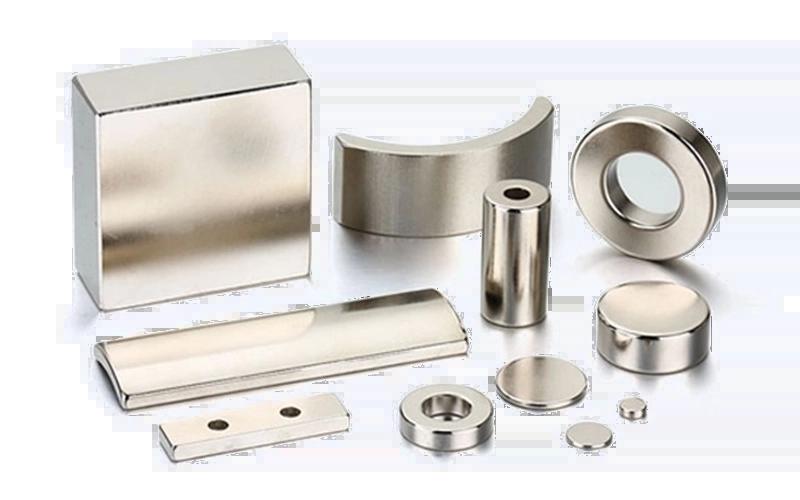
Neodymium magnets, also known as NdFeB magnets, are permanent magnets made primarily from neodymium, iron, and boron. They offer high magnetic strength in a compact size, making them widely used in motors, generators, automation equipment, magnetic separation systems, sensors, and other industrial applications.
However, choosing the right neodymium magnet requires more than selecting the highest grade. Shape, magnetic grade, operating temperature, coating, magnetization direction, and working conditions all affect performance.
This guide explains the main types of neodymium magnets and the key factors engineers should consider when selecting or customizing them.
What Is a Neodymium Magnet?
A neodymium magnet generates and maintains a permanent magnetic field without continuous electrical power. Its performance is commonly evaluated through parameters such as remanence, coercivity, and maximum energy product (BHmax).
The main engineering advantage of NdFeB magnets is their high magnetic energy density. This allows designers to achieve the required magnetic force with smaller and lighter components compared with many conventional permanent magnet materials.
Advantages & Disadvantages of Neodymium Magnets
Neodymium magnets provide several advantages for industrial applications:
l High magnetic strength: Provides strong magnetic force from a relatively small magnet.
l Compact design: Helps reduce the size and weight of magnetic assemblies.
l Wide range of shapes: Available as blocks, discs, rings, segments, and custom geometries.
l Multiple grades: Different grades allow engineers to balance magnetic performance and temperature resistance.
However, NdFeB magnets also have limitations. The material can be vulnerable to corrosion and is relatively brittle, so appropriate coatings and mechanical protection may be required. Standard grades also have limited temperature resistance, making grade selection particularly important for motors and other high-temperature applications.
Types of Neodymium Magnets
Neodymium Block Magnet
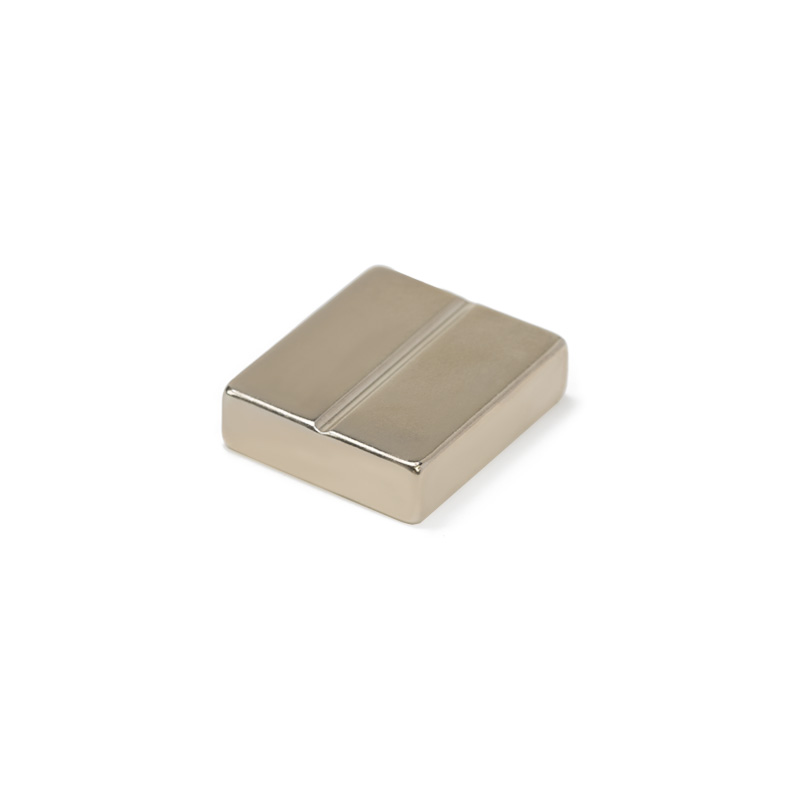
Block magnets have a rectangular or square shape and are commonly used in magnetic fixtures, sensors, motors, and industrial assemblies. Their length, width, thickness, and magnetization direction can be customized according to the application.
Neodymium Disk Magnet
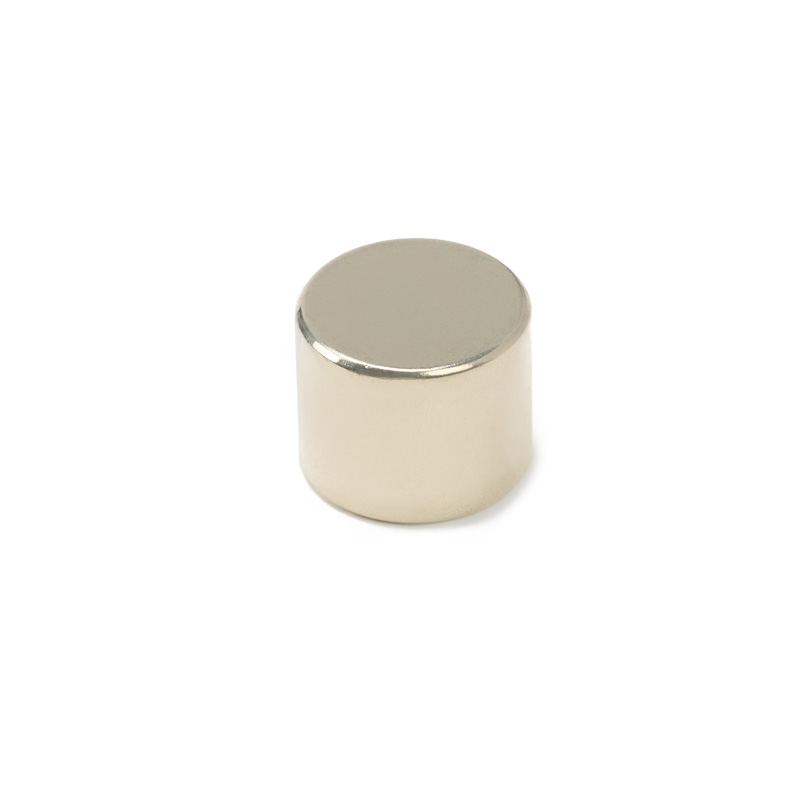
Disk magnets are cylindrical magnets commonly used in sensors, switches, magnetic holders, small motors, and positioning systems. They are often axially magnetized through their thickness, although other magnetization configurations are available.
Neodymium Ring Magnet
Ring magnets contain a central hole and can be installed around shafts, tubes, or fasteners. They are frequently used in motors, generators, sensors, magnetic couplings, and rotating assemblies.
Neodymium Segment Magnet
Segment or arc magnets are curved magnets designed for circular assemblies. They are particularly useful in permanent-magnet motors and generators where magnets need to follow the shape of a rotor or stator.
Neodymium Peculiar Magnet
Peculiar magnets are custom-shaped magnets designed for applications that cannot be served effectively by standard geometries. They may include irregular profiles, holes, steps, or other application-specific features.
Neodymium Automotive Magnet
Automotive magnets are designed for applications such as electric motors, sensors, actuators, pumps, and other vehicle systems. These magnets often require high-temperature grades, reliable coatings, tight tolerances, and application-specific magnetization.
The Application of Neodymium Magnets in Industrial Engineering
Electric Motors and Vehicles
NdFeB magnets are widely used in permanent-magnet motors, including electric vehicle drive motors and brushless motors. Their high magnetic strength helps motors achieve high power density while maintaining a compact structure.
Renewable Energy Systems
Permanent-magnet generators use NdFeB magnets to generate electricity from mechanical movement. They are particularly relevant to wind power systems, where compact and efficient generator designs are important.
Magnetic Separation and Automation
High-strength NdFeB magnets are used in magnetic separators to remove ferrous contaminants from industrial materials. They are also used in automated handling, positioning, switching, and sensing systems where controlled magnetic force is required.
Medical and Precision Devices
Neodymium magnets can be used in sensors, positioning mechanisms, acoustic components, and other precision equipment. In these applications, dimensional accuracy, magnetic consistency, coating, and temperature stability may be more important than maximum magnetic strength.
How to Choose the Right Neodymium Magnet
l Grade Selection and Thermal Limits: Grades like N35 to N52 reflect magnetic performance levels, but higher grades aren't always best. High-temperature applications require greater thermal resistance over maximum energy product; evaluate continuous temperatures, peaks, and performance at operating limits.
l Surface Coating Specifications: NdFeB corrodes in moisture or aggressive environments, making nickel or epoxy coatings common. Select coatings based on humidity, chemical exposure, operating temperature, mechanical contact, and service life.
l Load Line and Demagnetization Analysis: Actual performance depends on dimensions, air gaps, surrounding materials, and external fields beyond catalog grades. For motors and generators, evaluate load lines and demagnetization risks to ensure stable output during operation.
l Magnetization Direction Requirements: Magnetization sets pole positions and magnetic circuit interaction. Specify required directions clearly in technical drawings for custom parts; complex applications may demand multipole or specialized orientation.
Conclusion
Neodymium magnet selection demands a rigorous, system-level evaluation of operating thresholds, environmental resistance, and load-line dynamics rather than reliance on nominal catalog grades. Because specific magnetic applications vary widely, manufacturing facilities must select the ideal magnet configuration to match their exact production requirements and maximize operational efficiency.
Kaiven specializes in custom engineering solutions for high-performance neodymium magnets. Contact us to discuss your project, and let us provide tailored, custom-engineered solutions for your exact specifications.