
Ferrite magnet applications remain widespread in modern manufacturing because ceramic magnets combine stable magnetic performance with corrosion resistance, electrical resistivity, thermal capability, and economical volume production.
The right magnet is not selected by material alone. Shape, grade, magnetization direction, dimensions, tolerances, working gap, temperature, and assembly method all affect the result. This guide explains how segments, rings, disks, blocks, and magnetic assemblies are used across industry.
For a broader overview of material properties and available product families, start with Kaiven's ferrite magnet category.
What Is a Ferrite Magnet?
Ferrite magnets, also called ceramic magnets, are sintered permanent magnets made primarily from iron oxide combined with strontium or barium compounds. Compared with neodymium magnets, they provide lower magnetic energy but generally offer lower material cost and natural resistance to oxidation without protective plating.
These characteristics make ferrite magnet applications practical in outdoor, humid, electrically sensitive, and elevated-temperature environments when the required field can be achieved with a larger magnet volume.
If the design team is still choosing between magnetic materials, Kaiven's neodymium vs ferrite magnet comparison explains the main performance and cost tradeoffs.
Ferrite Magnet Applications by Shape
The following five groups show why geometry is central to ferrite magnet applications. Each shape changes the field path, mounting method, and suitable end products.
1. Ferrite Segment Magnets for Motors
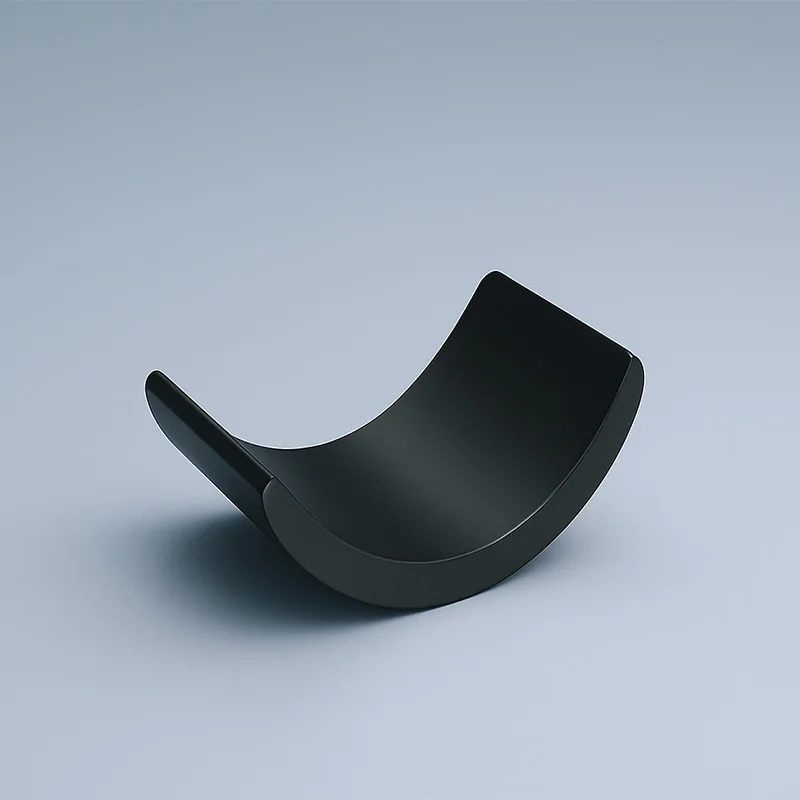
Curved ferrite segments fit cylindrical housings, stators, and rotors. Their geometry supports radial magnetic orientation and an even flux path around the motor assembly.
Common uses include automotive starter motors, windshield-wiper motors, power-window drives, cooling fans, appliance motors, drills, grinders, and magnetic-resistance fitness equipment. For dimensional and material options, review Kaiven's ferrite segment magnet range.
For motor programs, the most important checks are the segment arc, pole count, magnetization direction, grade, operating temperature, adhesive or retaining method, and the air gap after assembly.
2. Ferrite Ring Magnets for Audio and Rotating Systems
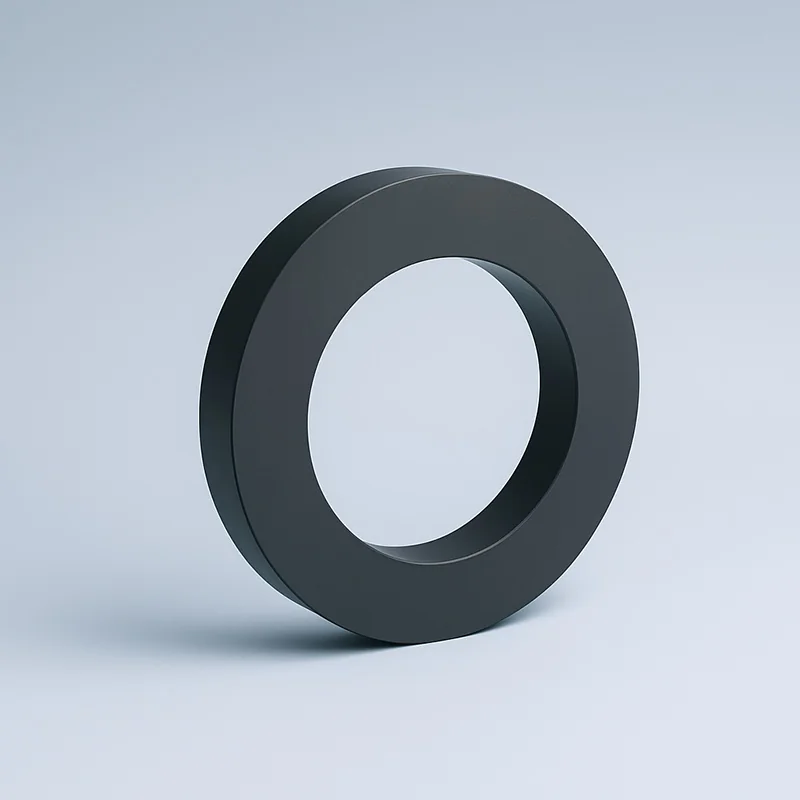
Ring magnets create a concentric magnetic circuit that is useful in loudspeakers, subwoofers, public-address systems, motor assemblies, encoders, and other tubular designs.
Their balanced shape, corrosion resistance, and stable long-term output make ring designs practical for high-volume acoustic and electromechanical products. See the available ferrite ring magnet configurations for product-specific details.
In these ferrite magnet applications, designers should confirm the inside and outside diameters, thickness, pole pattern, concentricity, and required magnetic orientation before tooling is finalized.
3. Ferrite Disk Magnets for Sensors and Couplings
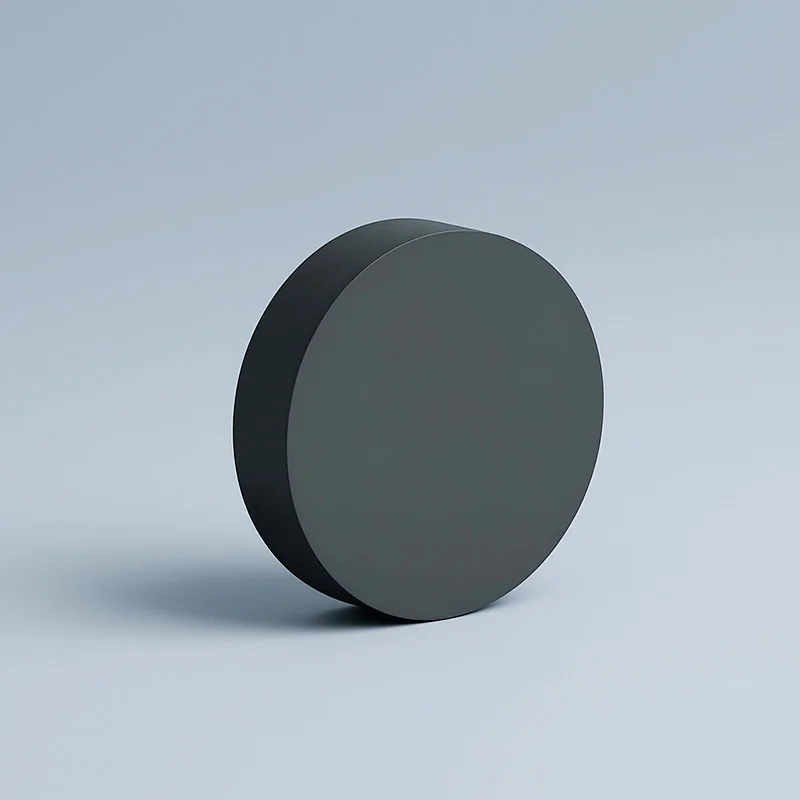
Flat ferrite disks produce an axial field across their circular faces. The simple profile supports straightforward installation and economical mass production.
Typical uses include reed switches, door and level sensors, tachometers, cabinet catches, educational products, and contact-free magnetic couplings. Kaiven's ferrite disk magnet page provides additional material and size information.
For sensor-related ferrite magnet applications, verify the switching distance with the actual sensor, housing, target geometry, and temperature range rather than relying only on nominal surface flux.
4. Ferrite Block Magnets for Separation and Holding
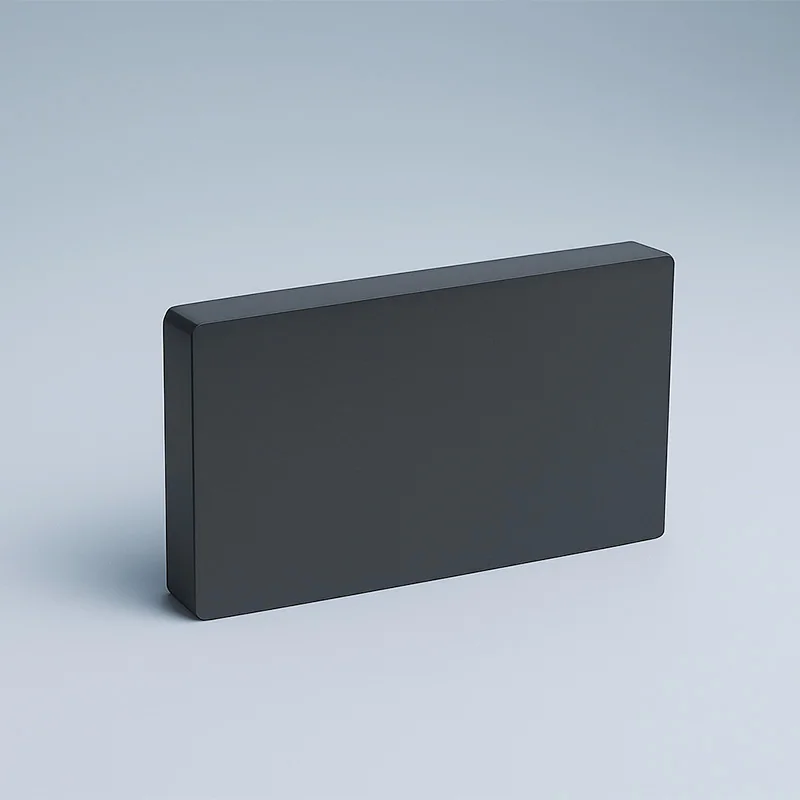
Rectangular ferrite blocks provide a broad flat pole area and can be arranged into larger magnetic circuits. Their simple geometry works well in equipment where available space is not severely limited.
They are used in suspension magnets, chute magnets, cross-belt separators, holding clamps, latches, fixtures, and some motors and generators. Compare standard ferrite block magnet options when planning the pole layout.
In separation-oriented ferrite magnet applications, the full circuit matters: block grade, pole spacing, steel yoke design, working gap, product depth, belt speed, and target contaminant size all influence performance.
5. Ferrite Magnetic Assemblies for Industrial Equipment
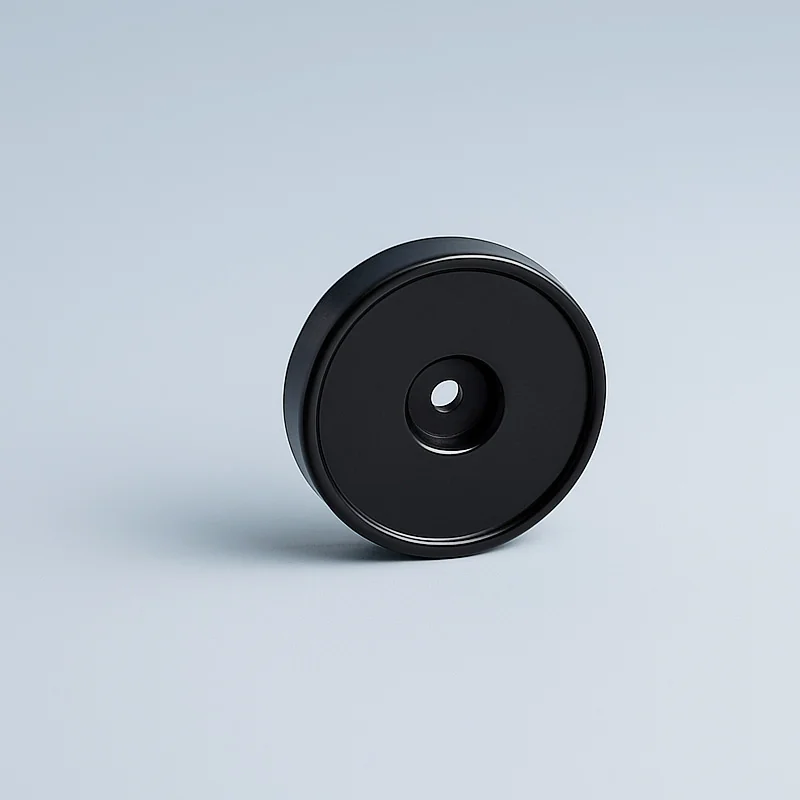
A ferrite magnetic assembly combines one or more magnets with steel poles, channels, cups, or mounting hardware. The steel circuit can focus the field while protecting brittle magnet edges and providing practical studs, holes, or brackets.
These assemblies appear in drawer filters, grate magnets, hopper systems, mounting bases, production fixtures, and material-handling equipment. Visit Kaiven's magnetic assemblies page for customization context.
For assembled ferrite magnet applications, provide the supplier with the required pull or separation performance at the real working gap, plus mounting loads, vibration, cleaning method, and environmental conditions.
Primary Industries Using Ferrite Magnets
Across motors, audio, separation, appliances, and automation, successful ferrite magnet applications begin with the operating requirement and then work backward to shape, grade, and magnetic circuit design.
| Industry | Common shapes | Selection priority |
|---|---|---|
| Automotive and appliance motors | Segments, rings | Radial flux, thermal stability, repeatable production |
| Audio equipment | Rings, disks | Balanced field geometry and economical volume production |
| Sensors and couplings | Disks, rings | Compact triggering and contact-free motion transfer |
| Recycling and bulk handling | Blocks, assemblies | Broad pole area and focused holding or separation force |
| Industrial automation | Assemblies, disks | Simple mounting, corrosion resistance, stable service |
How to Select a Ferrite Magnet
A reliable specification should balance magnetic output with mechanical and environmental constraints. Use the following checks before requesting samples or production tooling.
Magnetic Grade and Required Field
Grades such as Y30, Y30BH, C5, and C8 describe different magnetic properties. Select the grade from the required field, demagnetization margin, temperature, magnet geometry, and full magnetic circuit—not from grade name alone. Different regional grade systems should be compared using their measured properties.
Operating Temperature and Environment
Confirm both maximum and minimum service temperatures, exposure duration, humidity, chemicals, and thermal cycling. Ferrite is corrosion resistant, but adhesives, steel components, coatings on adjacent parts, and assembly hardware may have different environmental limits.
Dimensions Tolerances and Machining
Ferrite is a hard, brittle ceramic. Conventional drilling, tapping, or milling after sintering is generally unsuitable; dimensional finishing normally requires diamond grinding. Design around achievable production tolerances and avoid thin unsupported features that are vulnerable to chipping.
Magnetization and Assembly Validation
Specify the pole arrangement and magnetization direction on the drawing. Then validate the complete assembly with representative samples. For critical ferrite magnet applications, measure the performance at the actual air gap and temperature rather than checking the bare magnet only.
Frequently Asked Questions
Why choose ferrite instead of neodymium?
Ferrite can be a better choice when cost, corrosion resistance, electrical resistivity, and stable use at elevated temperature matter more than maximum magnetic strength in a compact space. Neodymium is often preferred when the design requires much higher energy density.
Can ferrite magnets be drilled or machined after production?
Standard metalworking tools are not suitable because sintered ferrite is hard and brittle. Required holes, special profiles, and tight dimensions should be planned with the manufacturer, and finishing should use appropriate diamond grinding processes.
Are ferrite magnets suitable for outdoor applications?
The magnet material itself has strong resistance to oxidation and moisture. The complete product must still be reviewed because steel housings, fasteners, adhesives, and other assembly components may require additional protection.
Conclusion
Ferrite magnet applications cover motor drives, audio systems, sensors, couplings, magnetic separation, holding devices, and customized assemblies. The best result comes from matching the magnet shape and magnetic circuit to the actual working gap, temperature, tolerances, loads, and production method.
Kaiven manufactures ferrite segment, ring, disk, block, and custom magnetic assembly products. Submit the drawing, grade requirement, magnetization direction, working environment, and annual quantity so the engineering team can evaluate a suitable configuration.